Another thing not mentioned, which I'd noticed recently after a couple of very poor nights, was feeling very dehydrated. Drinking a lot of water didn't seem to help, and it all went straight through. Some surface level research indicated that it could be a lack of vasopressin, so it makes me wonder if taking a small amount of desmopressin (with sufficient hydration electrolytes) would help take the unpleasant edge off the next day.
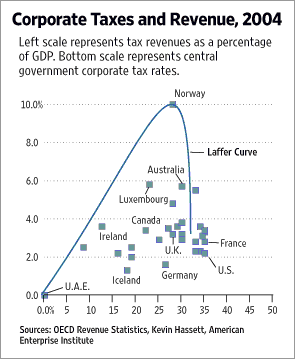
We (Norway) cheat a bit, though - we're a small (5M and change citizens) economy with a massive oil extraction industry which we tax to high heaven, hence the large fraction of GDP raised by taxes.
Regular corporate tax is 22%, whereas anything involving pumping hydrocarbons out of the ground is taxed with an additional 56%, leading to a tax rate of 78%.
In 2018, this led to more than $13B in taxes being paid from oil companies. Joe Q. Public, for comparison, paid $35B or so in income tax.
In my defense, I hardly slept last night courtesy of a three-year-old with the chicken pox, and I hadn't had my morning gallon of coffee when I replied.
Common law rests heavily on stare decisis. The precedent set in Australian Communist Party v Commonwealth is not likely to be overturned, as far as free political speech and organisation goes.
Another similar epidemic to lead poisoning we've been sleeping on is lithium deficiency. Look at the quantum of improvement on suicide and all kinds of violent crime, including rape and murder per this study[1]. Image of results table:
It's hard not to conclude that it's immoral to not chuck lithium in the water supply, if the natural variance is associated with a doubling of murder. The study has been replicated on suicide in Japan[2] and on Dementia in Denmark[3].
We don't even know that lithium deficiency is definitively a thing, it's not like there's an established RDA. There could be any number of reasons why it's correlated with lower violent crime.
Listen to an interview with him and here he present his opinions. He is provocative but mostly just an annoying showman. His harshest stance is on islam which given he is gay seems fairly understandable.
Joe Rogan has a good interview with him (which is the one that got him fired from Breibart.)
Every few years I try to write a column staking out a reasonable middle ground on immigration. After all, most big, important issues are clashes in which both sides have a piece of the truth.
The case for restricting immigration seems superficially plausible. Over the last several decades we’ve conducted a potentially reckless experiment. The number of foreign-born Americans is at record highs, straining national cohesion, raising distrust. Maybe America should take a pause, as we did in the 1920s. After all, that pause seemed to produce the cohesive America of the 1940s that won the war and rose to pre-eminence.
Every few years I try to write this moderate column. And every few years I fail. That’s because when you wade into the evidence you find that the case for restricting immigration is pathetically weak. The only people who have less actual data on their side are the people who deny climate change.
It's a matter of proportion. Tariffs are some of the most destructive and distortionary taxes you could implement. The costs will be borne by many, and the benefits, a select few.