This is not the first market this bank has pulled out from. A couple of years ago they stopped signing up people from two EU markets they previously served (Latvia and Lithuania) without any reason. Granted all existing accounts remained untouched, still these accounts get somewhat crippled functionality and their future is unclear. Although their app is great and I didn't have any big issues with the service itself, I'm somewhat wary of keeping any larger sums of money in my N26 account.
I hate people using it as a freaking Powerpoint replacement... Bullet point after tedious bullet point, great job presenting your knowledge, Mr. Expert! /s
I live in a relatively new apartment building that has heat recovery system installed in all apartments by default. My apartment is 73sqm, the ventilation unit is rated at 300m3/h. The building is located in a busy part of town with lots of traffic around. The city has a humid continental climate (Dfb) so it does get pretty cold during winter.
It does help a lot and I couldn't imagine living without it.
- Removes CO2 - averages ~650ppm in all rooms, almost never goes higher than 1000ppm (3 person household).
- Retains up to 85% of heat (based on the specs) using the exchanger, but also has an active electric heater inside that can be turned on in winter for ultimate comfort.
- Removes moisture from the bathroom and kitchen and dumps it into the drain via a separate drain pipe.
- Isolates from the outside noise as you can keep your windows closed shut all the time.
It does have some drawbacks however:
- Up to +6dB noise in rooms when running at full power (I run it at 20% at night which only adds ~+1dB).
- F7 class filters need to be changed every 3-6 months (~50€).
- Air intake grill with a pre-filter mesh needs thorough cleaning every 6-12 months as it usually gets clogged with debris in spring and autumn.
Not sure if it's due to these drawbacks or lack of knowledge lots of residents don't actually use their unit. You can tell by the open windows all year round. Most say it's too noisy for them - most probably due to lack of maintenance. Others are just plain ignorant saying opening windows is the only way to get "fresh air".
Is it though? Alpha radiation is nearly trivial to block, clothes or just a couple centimeters of air is enough to block most alpha radiation and it's not particularly damaging even if you are exposed to it. The camera body is going to block 99+% of the alpha emissions so even holding it up to your face isn't going to pose a big risk.
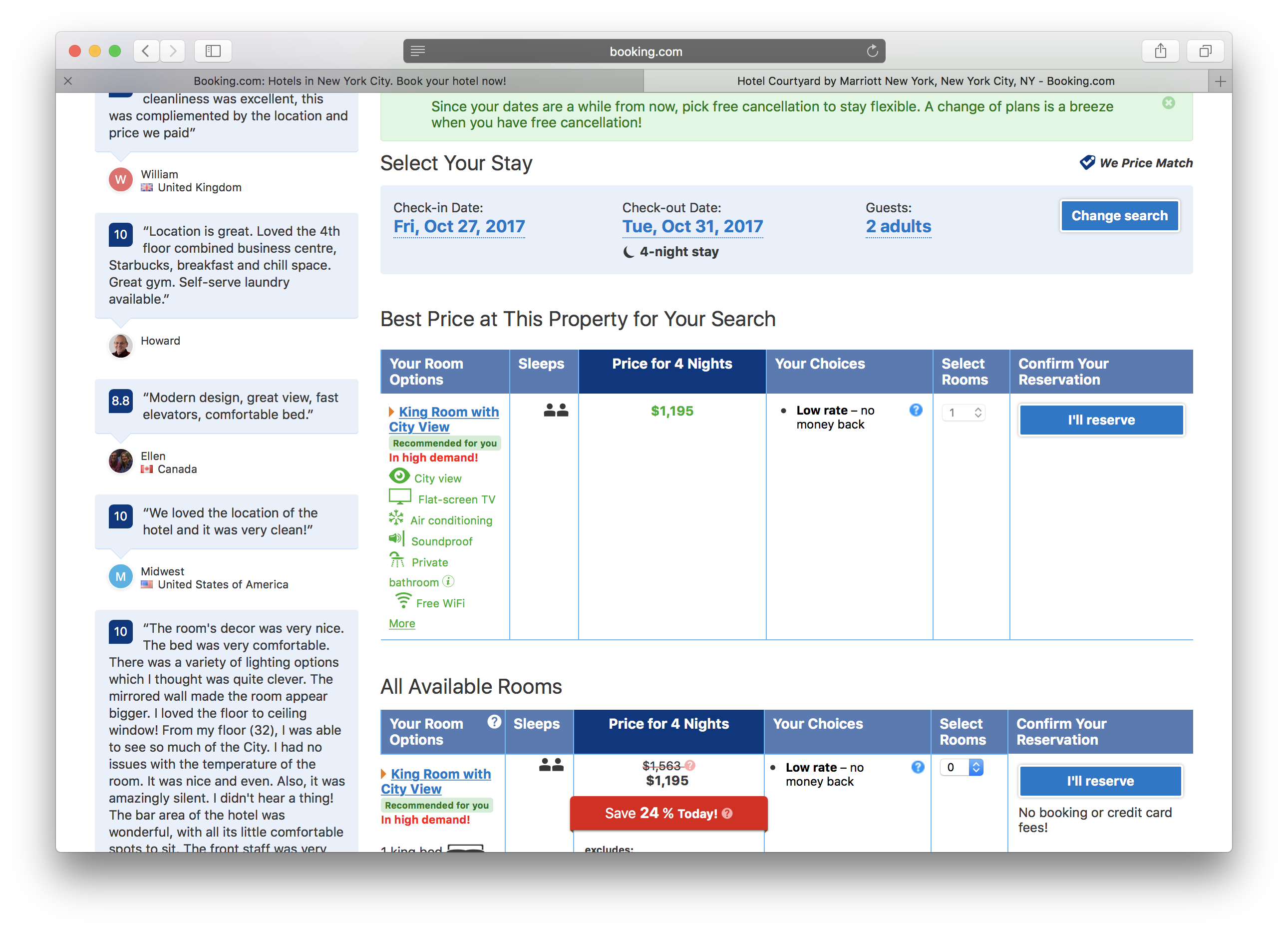
Also a couple of years ago we discovered that Booking shows different prices from different locations and different devices. Prices are higher at some hotels for Mac/iPhone users and Western Europe/US customers. Not sure if they're still doing it, but it's easily testable if someone wants to investigate.
First of all it depends on the app. If it's a public service I personally find that having this constraint of making your app work with JavaScript off leads to a better web architecture. It doesn't break the web and pays off in the long run for whoever might integrate with your app or whatever products might consume it now or in the near future. Graceful degradation is not all about the end-users.
So my advice would be if you're building a JavaScript only app you have to really know what you're doing, because it's very easy to get carried away with it. Keep in mind that you risk making it "incompatible" with the web. When a need arises to be "compatible" you might end up finding yourself building second version of the same app.
I'm currently working on a similar solution that will have some of those features - http://www.gigbasket.com Beta is due to launch in March 2012.
There are a few similar services implemented already though, but they are either too complex or too primitive in my opinion, therefore I decided to give a shot rolling out my own solution. Nevertheless, the ones that I have found are: