Great thing that Balaji cashed out nicely also before he left coinbase. It is great that we can see so clearly in action that stupidity is sometimes rewarded with nice paycheck.
People, keep being stupid and confident. Sometimes it pays tremendously off.
> It seems one exec left because he had enough money
While being blindsided by the man you’ve handed company strategy to is bad, it’s not under the umbrella of control. Letting the situation get to the point that your deputies are engaging in shouting matches and everyone in the company has to pick sides is where control was lost.
What's the incentive of lying that the hack didn't happen and he still had the funds? Just shame? I don't think it is very sensible to lie at that point. You will just get caught later and it will be more painful.
Fraud and embezzlement are fraudogenic because people often make the choice to continue the game rather than accept a punishment for X, which requires putting a discoverable lie on the record and then increasing the stakes (and the rate at which the shadow liability grows). This causes frauds to often expand until they implode.
This is covered at length in a great book, Lying for Money. Specific examples in Bitcoinland include Mt. Gox, which survived through fraud for 3 years after it needed to wind up, and Bitfinex/Tether, which has not yet collapsed from the billion dollar fraud they are perpetuating.
I think you can find good freelancers everywhere... And also bad ones. Whether upwork is good or not depends on your viewpoint. I think it is just a marketplace like everything else. I personally believe bigger value lies in longer relationships, therefore places like upwork should be just a place to get started.
The exchanges don't collect taxes. Tax office probably requested information from the exchange and the exchange complied, and the tax office calculated the total amount withdrawn as taxable. The idea that an exchange would be calculating taxes is ridiculous.
If a sale is reported to the IRS and the exchange doesn't know (or doesn't report) the cost basis of the coins then the person who sold the Bitcoin is responsible for reporting their cost basis. If they didn't report a cost basis then the IRS is going to come back and assume it's zero.
Well, don't know for these stablecoins but to me the "normal crypto" meaning bitcoin is very easy to understand and use. It is like commodity nowadays - it is up to the user whether to use it for scetchy things or for normal things.
Are you serious? You need to establish presence at an exchange meaning you need to scan and send your ID to a company which more likely than not -- does QuadrigaCX ring a bell -- is run by scammers. Then you need to buy bitcoin and store it somewhere... and then send it to someone. The sending costs an unknown amount, takes an unknwon amount of time, the receiver gets something but none of you can predict how much that is actually worth by the time they receive it. If they want to do something with it they need to go through the exchange rigmarole. And you call this very easy to use.
For people who know what they are doing, Bitcoin provides a new way to move money across borders. Almost always, the fees will be lower than they would with any other money transfer service. Most money transfer services will also have KYC policies which closely mirror what is required at crypto exchanges.
You only need to hold Bitcoin for ~1 hour total in the entire process. You can avoid making international wires by using domestic payment systems on each end of the transaction. If you do some research, you may be able to move money across borders and actually make a small profit of 3-4%, depending on the sending / receiving currency.
All said and done, Bitcoin allows people to have much greater control of their money. It is very useful for moving money between countries without subjecting yourself to the wait times and high fees associated with cross-border transactions.
But it's not, there's a time delay between when you initiate exchanging your real money to scam money and the receiver finishes the exchange back and during that time bitcoin can move in any direction.
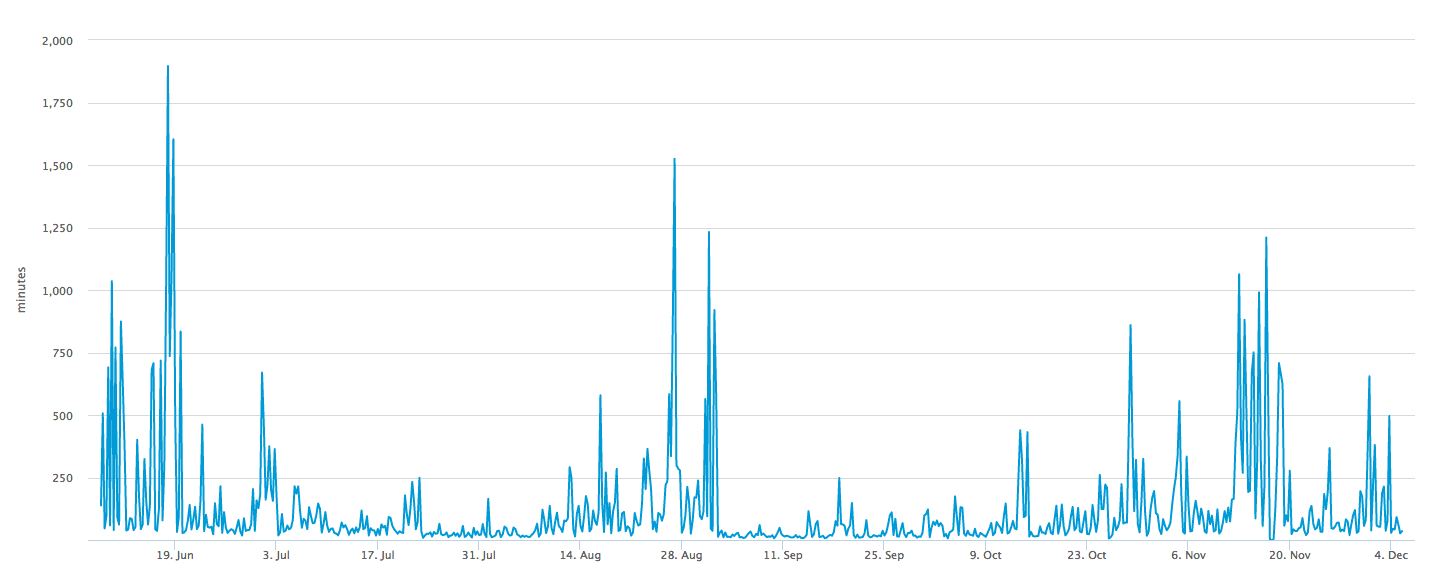
Fees are always knowable, the real average confirmation time for transactions with appropriate fees is fixed at 10 minutes.
>But it's not, there's a time delay between when you initiate exchanging your real money to scam money and the receiver finishes the exchange back and during that time bitcoin can move in any direction
Well yes, but this is known beforehand. There are many mechanisms you could use to hedge your risk here.
Well I don't know why you would trust anyone in the crypto world not to be biased towards their own project. I think Vitalik is shilling Ethereum pretty regularly while dissing other projects.
The market has ridiculous demand really, at times. But it highly depends on timing, location etc. And also resilience. If you run the exchange for long enough time, you will collect customers who will be coming back.